
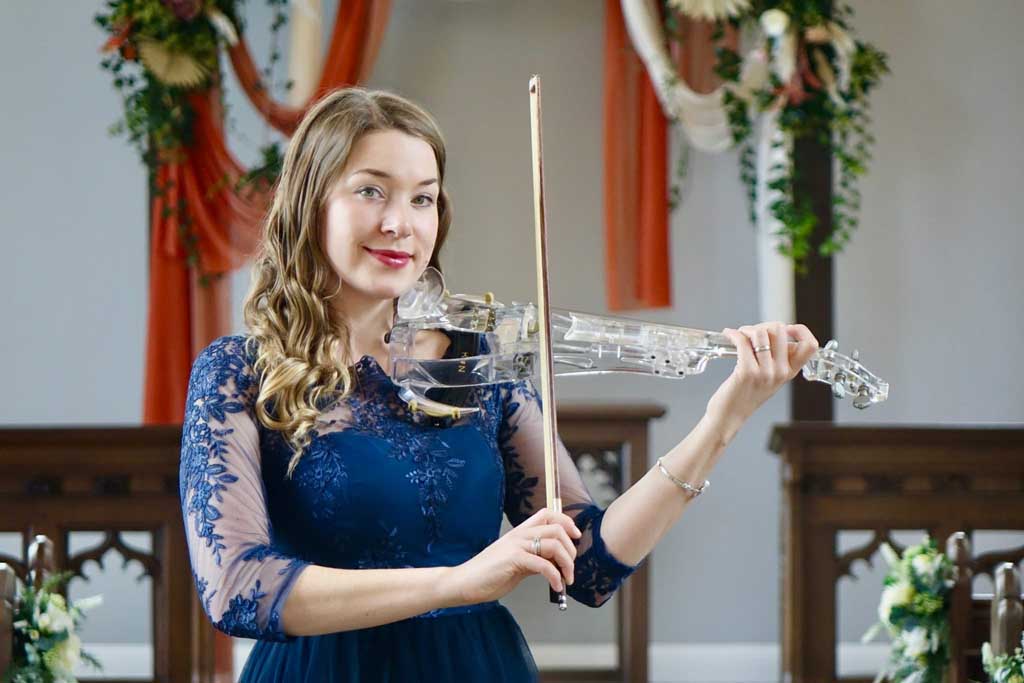
Why Electric Violins Are Striking a Chord with Today’s Musicians
For centuries, the violin has been a symbol of classical tradition — an acoustic instrument cherished for its expressive tone and refined craftsmanship. Yet, in the 21st century, a modern transformation is underway: the rise of the electric violin. As a maker of award-winning electric violins with over 30 years of experience, Ted Brewer Violins has witnessed this shift firsthand and continues to innovate at the forefront of the movement.
So why are electric violins becoming more popular among musicians today? Let’s explore the key factors contributing to this exciting evolution in the string instrument world.
1. A New Sound for Modern Music
Electric violins offer sonic possibilities that traditional acoustic instruments simply cannot match. By capturing string vibrations electronically, these instruments enable:
- Amplification without feedback issues, ideal for large venues and contemporary genres.
- Creative sound shaping through effects, pedals, or onboard audio systems.
At Ted Brewer Violins, models like the Vivo² series incorporate advanced audio systems — including piezo pickups and digitally controlled amplifiers — to produce rich, expressive tones while allowing musicians to tailor their sound.
2. Versatility Across Styles
Electric violins are no longer confined to classical or orchestral use. Their adaptability makes them a compelling choice for:
- Genre-blending artists exploring jazz, pop, rock, electronic, or experimental music.
- Hybrid performances, where violinists interact with band setups and digital soundscapes.
This versatility expands the violin’s role in modern music and attracts players who seek both traditional technique and contemporary expression.
3. Practicing and Performing with Ease
Whether you’re a student or stage professional, electric violins bring practical advantages:
- Silent practice with headphones, perfect for urban living or late-night sessions.
- Direct recording into digital workstations without mics or sound leakage.
These features are especially valuable in educational settings and home studios, where space and volume control are priorities.
4. Visual Impact and Customisation
Electric violins aren’t just about sound — they’re about presence and identity.
Ted Brewer Violins are known not only for their performance but also for their striking aesthetics, from clear acrylic designs to custom finishes that reflect the player’s personality.
Musicians today value instruments that make a visual statement, and electric violin designs push boundaries beyond tradition.
5. Broader Cultural Trends
The popularity of electric violins is also driven by larger shifts in how music is shared and consumed:
- Social media exposure showcases electric violin performances to global audiences, inspiring new generations of players.
- Market expansion in music education and contemporary programs encourages students to explore electric instruments alongside traditional training.
This cultural momentum helps dissolve the misconception that violins belong only in classical concert halls.
Final Note
Electric violins are not replacing acoustic instruments — they’re expanding the violin’s reach, in the same way that electric guitars have in the guitar world. By combining craftsmanship, innovation, and technology, Ted Brewer Violins exemplifies how these instruments offer fresh creative opportunities for today’s musicians. From stage performance to studio recording, from practice to play, electric violins are redefining what it means to be a violinist in the modern era.
